How do commemorative coins differ from collector coins?
It all began with the negotiations on European monetary union, when the architects of the euro decided what the new coins should look like, including both the national and common sides. What they completely overlooked were the popular commemorative coins that were being issued throughout Europe at the time.
Each mint had its own techniques, its own designs and its own face values; indeed, each used different metals not found in common, regular, ordinary coinage.
The first draft legislation on euro coins therefore caused some unease amongst the directors of European mints, who had formed a working group. Fortunately, some of them had a direct line of communication with their respective national banks. These banks brought the collector concerns to the attention of politicians, and so a clause regarding commemorative coins was inserted into the treaties – except that, as we are dealing with civil servants after all, they were no longer called commemorative coins but collector coins.
What are collector coins?
According to EU Regulation No. 651/2012 of the European Parliament of 4 July 2012, collector coins are coins that are not intended for circulation and are easily distinguishable from circulation coins. Euro collector coins are currency only in the issuing Member State and are not issued with the aim of putting them into circulation.
In other words: the popular experiment of taking a collector coin, such as the German 35-euro silver coin, to a supermarket to pay with it is nonsensical, even if articles on the subject regularly generate a high number of clicks. Collector coins such as the 35-euro coins are not intended for use in payment transactions. Supermarkets are therefore under no obligation to accept them. One might even wonder whether a local bank that has issued a commemorative coin at face value is obliged to take it back. The only place where a collector coin must be accepted at face value is the respective national bank. And that means that our European collector coins are no different from the ‘non-circulating legal tender’ coins struck by other countries.
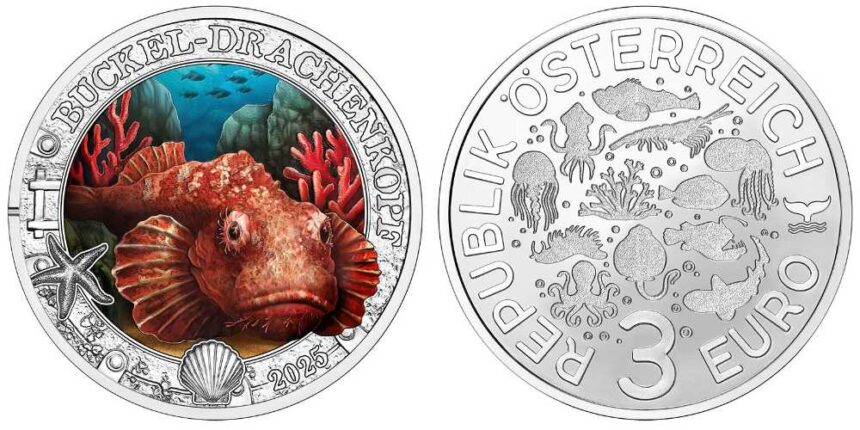
How does a collector coin differ from a circulation coin?
The aforementioned regulation also sets out how collector coins differ from circulation coins. For instance, they must not have the same denomination as a circulation coin. They must be easily distinguishable from circulation coins in terms of their design and edge lettering.
Furthermore, two out of three characteristics must differ from current circulation coins: color, coin diameter or weight. The price of collector coins may, but need not, exceed their denomination. The only important point is that Member States are responsible for ensuring there is no incentive to put collector coins into circulation.
Is that clear?
What are commemorative coins?
So are the 2-euro coins with the attractive designs on the reverse side collector coins? No, they are not. They are commemorative coins – that is, coins issued to mark a specific event and which may be current. Initially, their emission was limited to two pieces per country. If a joint emission was agreed upon – such as that dreadfully boring coin commemorating the Treaties of Rome – then this is not counted towards the two emissions.
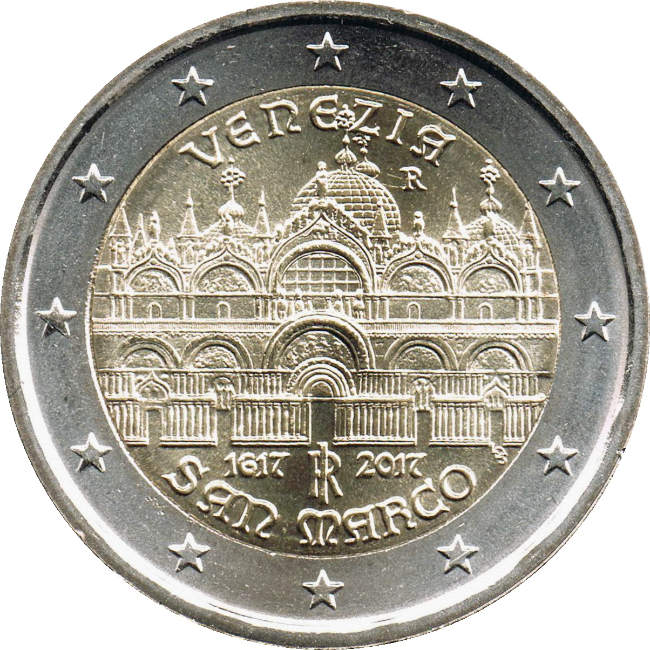
‘Collector coins’ is the European term for NCLT
The term ‘collector coin’ is therefore a purely European term, but not a European phenomenon. Other countries use different terms in their legislation to describe the same practice. Let us take the example of the Royal Canadian Mint, which also mints coins that are not intended for circulation. Under the Royal Canadian Mint Act of 1985, these are known as ‘non-circulation coins’. The definition is quite clear and corresponds to that in European law: a ‘non-circulation coin’ is defined as a coin made of base metal, bullion or any combination of these metals, which is not intended for circulation. The Royal Canadian Mint is authorised to design its own motifs for its coins. As mentioned, the term ‘NCLT’ – standing for Non-Circulating Legal Tender – has become established in collector circles for these coins, a term we have explained to you before.
Text and images: Ursula Kampmann