Numismatic networking
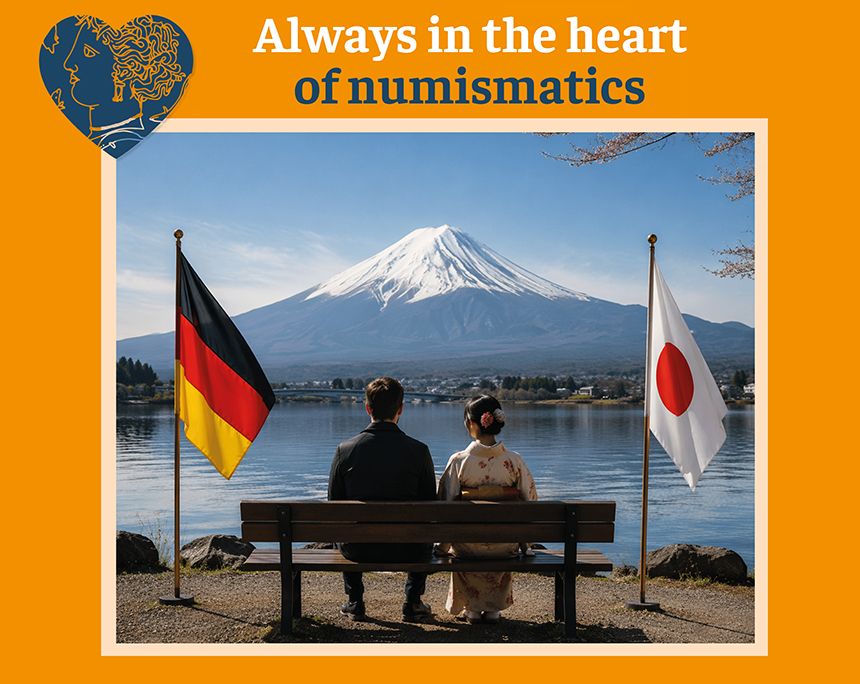
Nothing promotes a country’s culture more effectively than its own coinage. Coins thus become ambassadors for the nations from which they originate and possess diplomatic potential. It is fitting, then, that Martin Huth, as a collector and renowned author in the field of numismatics, not only follows in the long tradition of diplomats with an interest in numismatics, but also understands how a love for these historical artefacts can bring people from the most diverse countries together.
So when he asked MünzenWoche if we would support a numismatic networking event, it didn’t take us long to decide. On the contrary: we felt honoured. And as it turned out, the rooms in his residence provided an extremely pleasant setting for the reception, the dinner that followed, and many stimulating conversations about numismatics.
On historic ground
There has been a German Embassy in Tokyo since 1871. The Prussian consul Max von Brandt, himself an avid collector, became the first German head of mission in Japan following the founding of the German Empire. He had his work cut out for him, as relations between the two nations intensified following the Iwakura Mission (1871–1873).
Since then, the German Embassy has shared Tokyo’s fate: it has been completely destroyed three times – twice by the major earthquakes of 1894 and 1923, and once by the bombs that devastated the capital on 26 May 1945.
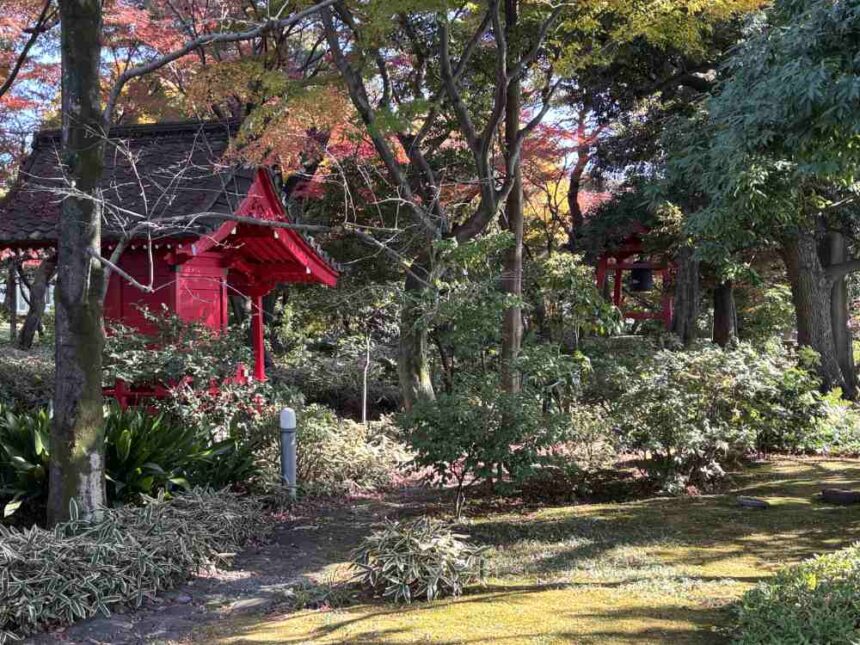
The German Embassy has been located in the Minami-Azabu district since 1956, an area that is also home to many other diplomatic missions. Its garden, which existed long before the embassy was built, is famous. An art-loving politician named Koizumi Sakutarō (1872–1937) realised his dream of a Japanese landscape garden here. It features an antique tea house, numerous historic stone figures and a bell tower dating from the 1950s. It houses the bell crafted by the Japanese metal artist Masahiko Katori in 1958, which was donated by the car manufacturer Magokichi Yamaoka as a symbol of German-Japanese friendship. It bears a quote from Goethe: “The sounds fade away, but the harmony remains.” How fitting for this place of encounter!
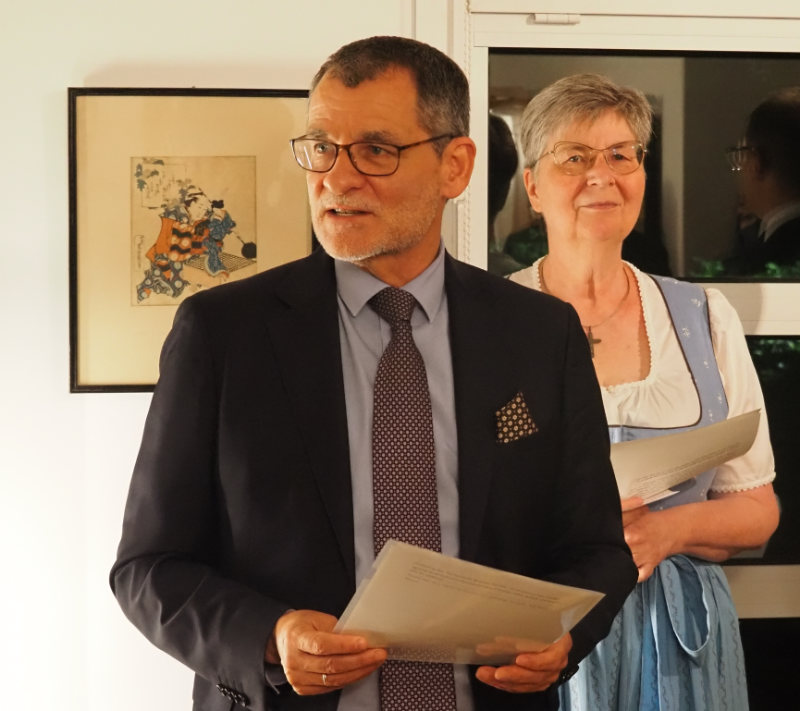
Welcome address by Martin Huth
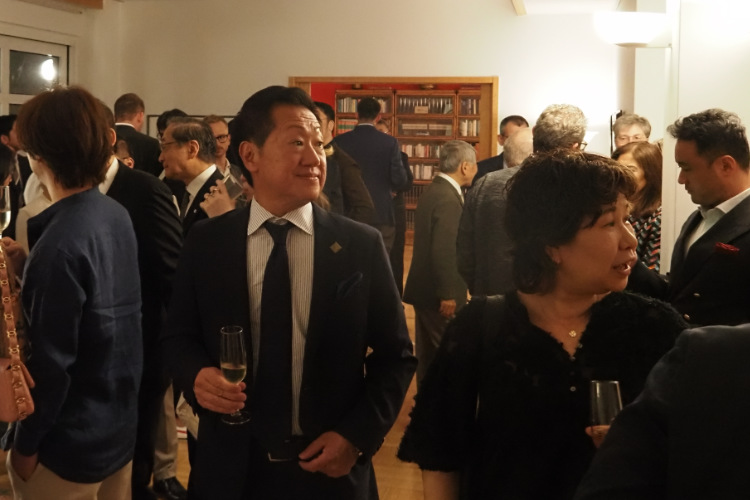
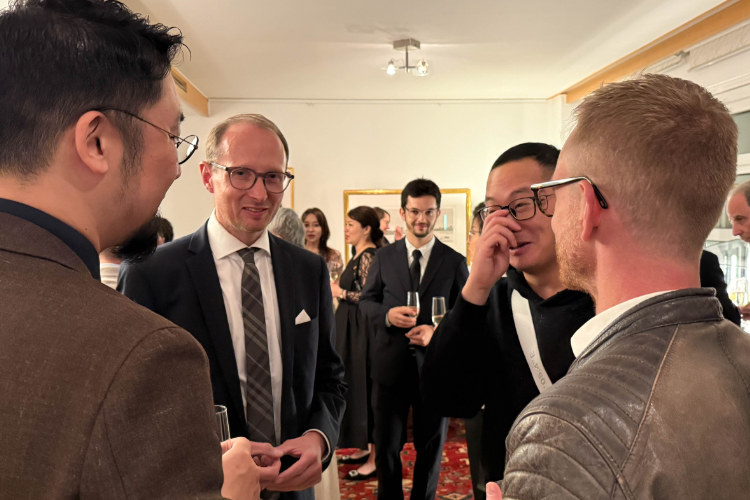
Numerous guests from Germany and abroad attended the reception. Deputy Ambassador Martin Huth welcomed guests from more than 20 countries, including numerous prominent Japanese collectors, a former minister, many dealers from Japan, Asia, Europe and the USA, not to mention members of the diplomatic corps, who were amazed at Germany’s central importance in the international coin trade.
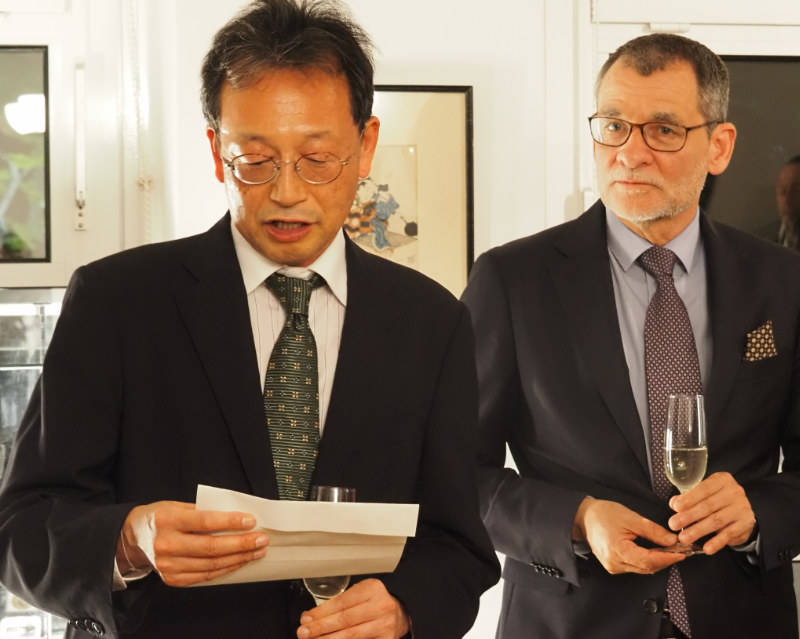
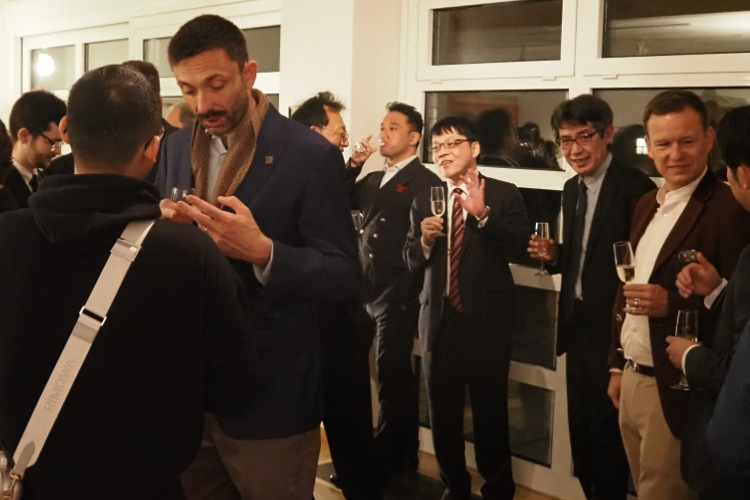
Kanpai: Yasua Hirai opens the event
It was a particular honour that the President of the Japanese Mint, Yasua Hirai, accompanied by his Deputy, Motohiko Sato, and several members of the team, travelled specially from the headquarters in Osaka to attend this reception and lead the traditional Kanpai. The Japanese Mint has had close ties with Germany for many years. It is a regular exhibitor at the World Money Fair, where it always offers a very special set of small-denomination coins.
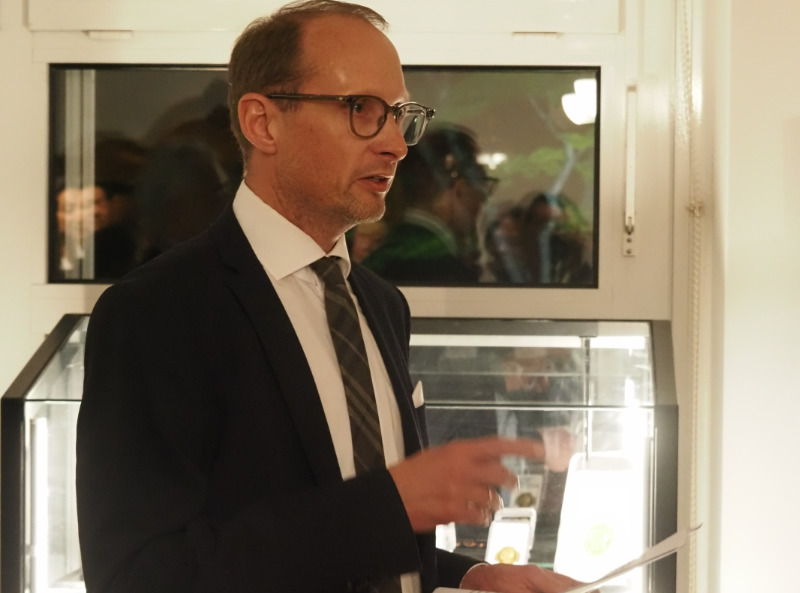
Ulrich Künker presents the Imperial Collection
The evening’s co-sponsor was the Osnabrück-based auction house Künker, which took the opportunity to showcase items from the Imperial Collection. It is a remarkable testament to 19th-century German history: the coins were once owned by a Prussian king, Frederick William III, and the first German Emperor, William I. This collection holds particular significance for Japan. Diplomatic relations, particularly with Wilhelm I, were close. He received Japanese envoys on several occasions as they travelled through Europe seeking inspiration for the modernisation of their country. Following the return of the Iwakura Mission in 1873, the German Empire became the model for Japan’s modernisation.
Coin enthusiasts as informal ambassadors for their country
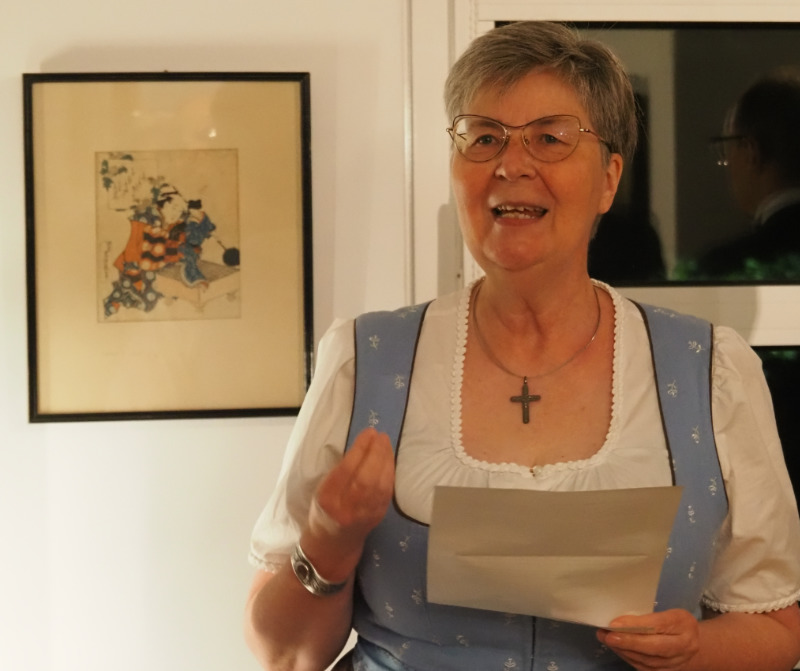
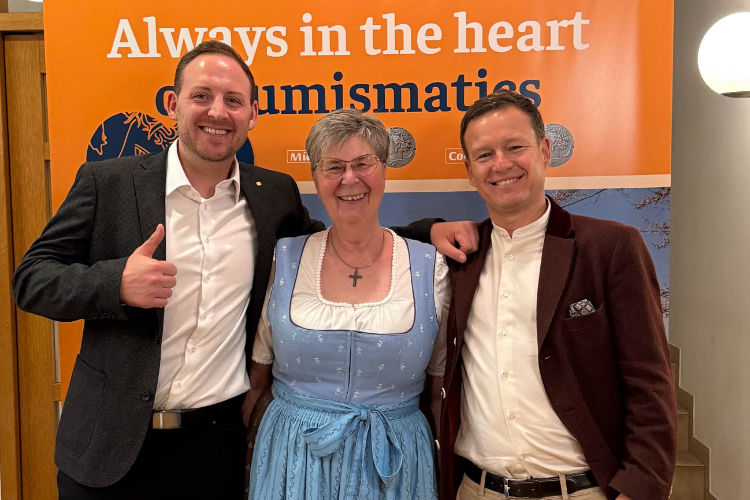
Naturally, as a sponsor, I too was given the opportunity to say a few words. I was delighted to take the chance to speak about something that has been close to my heart for years: namely, to praise the way numismatics brings people together. I had put on my dirndl in honour of Yukino Shinhara. She was the first Japanese woman I had the pleasure of getting to know better in 2010. I struck up a conversation with the wife of the then director of the Japanese mint because of the beautiful kimono she was wearing to the MDC gala dinner.
At the end of this article, you will find the full text of my (not very long) speech.
Highlights from the reception
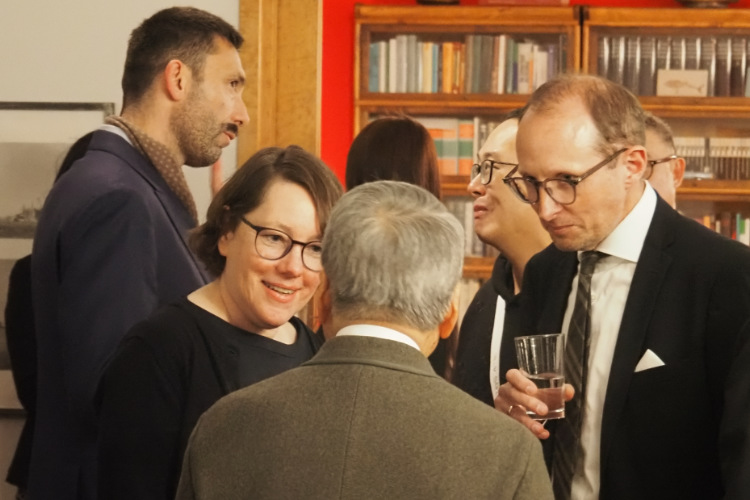
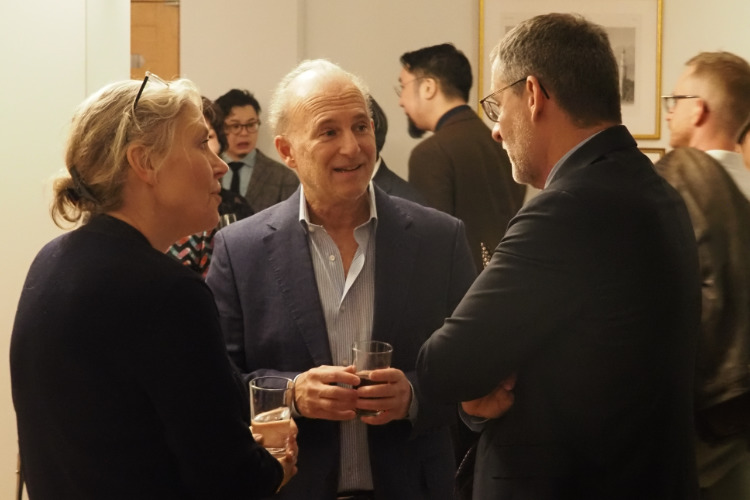
And that’s exactly what we did: we networked across continents and languages, made new friends, caught up with old ones and exchanged views. Here are some highlights from this thoroughly enjoyable evening.
Speech delivered at the reception hosted by the Deputy Ambassador of Germany in Tokyo
Dear coin enthusiasts, dear colleagues, dear friends,
I am delighted that we have the opportunity to meet here in Tokyo in this setting. I would like to extend my warmest thanks to our host, Mr Huth, for coming up with the idea for this gathering and for giving MünzenWoche the chance to be part of this event. I must admit, I also had very personal reasons for accepting straight away. I’ve always wanted to see the famous Japanese garden at the German Embassy!
Because I’m fascinated by, indeed absolutely in love with, Japanese culture. I’m captivated by the aesthetics of Japanese objects, that attention to even the smallest details. Do you know where I had my very first encounter with Japan? Not in Japan, but in Canberra, Australia. That is where the first Mint Directors Conference took place in 2010, which I was fortunate enough to attend. It was a great adventure for me. Everything was new; I didn’t know anyone from the world of mints and mint technicians. But there was one face I recognised immediately: that of the wife of the Japanese Mint Director, who wore a beautiful kimono during the gala dinner.
She immediately stood out because of her traditional dress. After that evening, everyone knew who she was and that she was part of the Japanese mint’s delegation. I thought that was brilliant. There are so few countries that have such an uncomplicated approach to their own traditions. In my view, it is a sign of a strong identity not just to own a traditional costume, but also to wear it.
I recognise this from my own home region. In Bavaria, we also have a beautiful traditional costume and a close connection to our roots. I therefore decided, in memory of this wonderful woman who, through her kimono, became an ambassador for Japan in my eyes at the time, to wear my own traditional costume and thus become a little bit of an ambassador for Germany here in Japan.
For all of us involved in numismatics, we repeatedly become ambassadors for our country. When I think of Japan, I don’t think of kimonos, gardens or karaoke, but of the smiling faces of my Japanese friends whom I had the pleasure of meeting through numismatics.
I feel the same way about many countries. For numismatics has the potential to bring people together. We all come from different countries. We meet colleagues and coin enthusiasts from other countries. For them, we become ambassadors for our country, and they become ambassadors for ours. Our coins bring us closer to the history and culture of our various homelands.
That is why, quite frankly, I think it is very fitting that we are meeting on the premises of an embassy. I hope you all have a lovely evening together today and make many new friends through numismatics.